
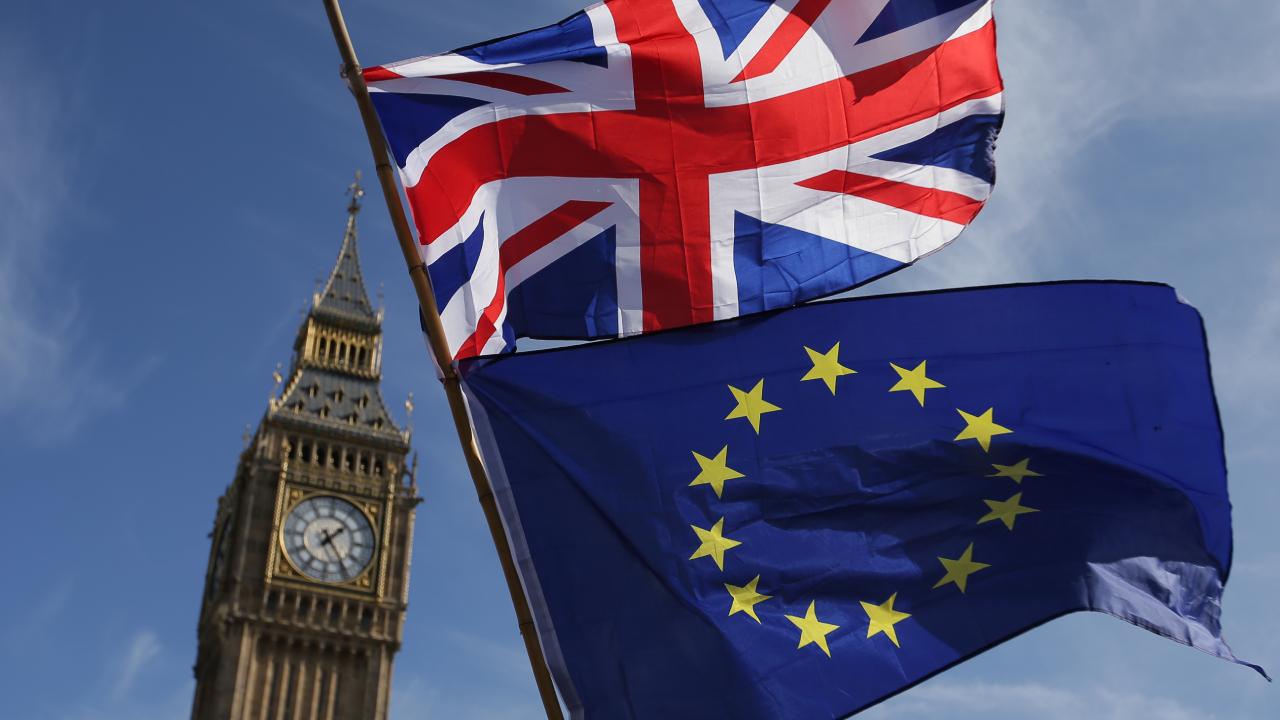
About UK & EU Reach Agreement On Northern Ireland Protocol!
After years of negotiations, tensions, and political maneuvering, the United Kingdom (UK) and the European Union (EU) have reached a significant agreement regarding the Northern Ireland Protocol. This deal aims to resolve key issues surrounding trade and border arrangements that arose as a result of Brexit. But what does this agreement entail, and what impact will it have on Northern Ireland, the UK, and the EU moving forward?
What Is the Northern Ireland Protocol?
The Northern Ireland Protocol was established as part of the Brexit withdrawal agreement between the UK and the EU to address the unique situation of Northern Ireland.
- The Border Issue: Following Brexit, the UK left the EU’s single market and customs union, but Northern Ireland shares a land border with the Republic of Ireland, which remains an EU member. To avoid a hard border between Northern Ireland and the Republic of Ireland, the protocol was introduced.
- Customs Checks: The protocol effectively keeps Northern Ireland aligned with certain EU regulations, meaning goods moving from Great Britain (England, Scotland, and Wales) to Northern Ireland must undergo checks, creating a de facto customs border in the Irish Sea.
This arrangement, while ensuring that the Republic of Ireland and Northern Ireland remain without border checks, created significant trade frictions between Northern Ireland and the rest of the UK, leading to political tensions and economic challenges.
The UK & EU Agreement: Key Points
The new agreement aims to reduce some of the most contentious aspects of the Northern Ireland Protocol, focusing on three main areas:
- Easier Trade for Goods
- Green and Red Lanes: One of the key elements of the new deal is the creation of a dual-lane system at Northern Ireland ports. Goods traveling from Great Britain to Northern Ireland that are not intended for the Republic of Ireland (and thus the EU) will face fewer checks, easing the flow of trade. These goods will be routed through a “green lane,” with minimal paperwork.
- Red Lane for EU-Specific Goods: Goods that are intended for the Republic of Ireland or the broader EU market will still be subject to checks under the “red lane,” ensuring compliance with EU regulations.
- VAT and Subsidy Reforms
- The agreement allows Northern Ireland to benefit from the UK’s VAT system on some goods and services, reducing the friction created by the previous arrangement.
- The UK will also have more flexibility to offer state subsidies for businesses in Northern Ireland, which were previously limited due to EU competition rules.
- Democratic Oversight
- Under the new deal, the Northern Ireland Assembly will have a greater say in the application of certain EU laws in the region, with local politicians gaining more control over how aspects of the protocol are implemented. This is a response to concerns about Northern Ireland being subject to EU rules without direct representation in the EU institutions.
Impact on Northern Ireland
- Economic Benefits
- The new agreement promises to simplify trade between Northern Ireland and Great Britain, alleviating some of the burdens that businesses faced under the previous protocol. This could lead to lower costs and increased trade flows.
- Northern Ireland’s unique position, with access to both the UK and EU markets, could make it an attractive location for investment and trade.
- Political Stability
- The deal is expected to ease tensions within Northern Ireland, particularly between unionists (who support remaining part of the UK) and nationalists (who lean toward closer ties with the Republic of Ireland). By giving Northern Ireland more control over the rules that affect its economy, the agreement aims to promote stability and reduce political divisions.
- Fewer Border Issues
- With fewer customs checks and smoother trade routes, everyday goods and services will flow more freely across the Irish Sea, reducing disruptions that impacted both businesses and consumers.
Impact on the UK and EU
- Strengthening UK-EU Relations
- This agreement marks a significant step toward improving the often fraught relationship between the UK and the EU post-Brexit. By resolving some of the issues created by the Northern Ireland Protocol, the UK and EU are signaling a willingness to cooperate and find pragmatic solutions.
- Brexit Realities
- The deal underscores the complexities of Brexit and how its impacts continue to evolve. While the UK is no longer part of the EU, the need for collaboration, particularly on trade, remains crucial for both sides.
- This agreement could set a precedent for future negotiations between the UK and the EU, demonstrating that compromises can be reached despite political differences.
- The Role of the EU
- The EU benefits from maintaining the integrity of the single market while also allowing the UK to regain some autonomy over its rules. By facilitating trade between Northern Ireland and the rest of the UK, the EU is balancing the need for strict border controls with practical flexibility.
Challenges and Future Considerations
While the agreement represents a significant breakthrough, challenges remain:
- Implementation: The success of the agreement will depend on its practical implementation, particularly in ensuring that customs checks are streamlined and efficient.
- Political Reaction: While some political leaders in Northern Ireland have welcomed the deal, others remain skeptical. Unionist parties, in particular, may continue to resist the idea of Northern Ireland being subject to EU laws, even with increased democratic oversight.
- Long-Term Stability: The evolving political landscape in Northern Ireland, as well as broader UK-EU relations, may continue to impact the agreement’s sustainability.
Final Thoughts
The UK and EU’s new agreement on the Northern Ireland Protocol is a major step toward resolving one of the most contentious issues of post-Brexit Britain. By simplifying trade, offering greater control to local politicians, and ensuring smoother relations between Northern Ireland, the UK, and the EU, the deal has the potential to bring much-needed stability and economic benefits to the region. However, as with any complex political agreement, its success will rely on careful implementation and ongoing dialogue between all parties involved.
As both sides continue to navigate the post-Brexit era, this agreement offers a glimmer of hope for a more cooperative future.