Electricity And Natural Gas Rise IN The UK
Energy prices have been a growing concern for households and businesses across the UK, with electricity and natural gas costs climbing sharply over recent years. These increases are driven by a complex mix of global, political, and economic factors. Here, we delve into the reasons behind the rising energy costs, their impact on daily life, and strategies for coping with the changes.
What’s Causing the Rise in Electricity and Natural Gas Prices?
- Global Energy Market Volatility
- The UK relies heavily on imports for natural gas, making it vulnerable to fluctuations in global markets.
- Recent geopolitical tensions, including the conflict in Ukraine, have disrupted supply chains, leading to price spikes.
- Increased Demand Post-Pandemic
- As economies recovered from COVID-19 lockdowns, global energy demand surged.
- Supply struggled to keep pace, driving up prices for both electricity and natural gas.
- Reduced Domestic Production
- The UK’s North Sea gas reserves are declining, reducing domestic supply.
- A shift towards renewable energy, while crucial for sustainability, has yet to fully replace fossil fuel dependency.
- Policy and Regulatory Changes
- Government levies aimed at funding renewable energy projects and grid maintenance contribute to energy bills.
- The energy price cap, designed to protect consumers, has been adjusted upwards to reflect market realities.
The Impact on Households and Businesses
For Households
- Higher Energy Bills: Many households face significant increases in monthly utility costs, affecting disposable income.
- Fuel Poverty: Low-income families are at greater risk of fuel poverty, where energy costs consume a large portion of income.
- Lifestyle Adjustments: Families are cutting back on non-essential expenses to afford basic utilities.
For Businesses
- Operational Costs: Rising energy costs are squeezing profit margins, especially for energy-intensive industries.
- Price Increases: Businesses are passing on costs to consumers, contributing to inflation.
- Energy Efficiency Investments: Companies are exploring energy-saving technologies to mitigate expenses.
How to Manage Rising Energy Costs?
For Households
- Switch Energy Providers
- Compare tariffs and switch to a provider offering a more competitive rate.
- Use comparison tools like Ofgem’s energy price comparison service.
- Improve Home Energy Efficiency
- Install insulation to reduce heat loss.
- Upgrade to energy-efficient appliances and LED lighting.
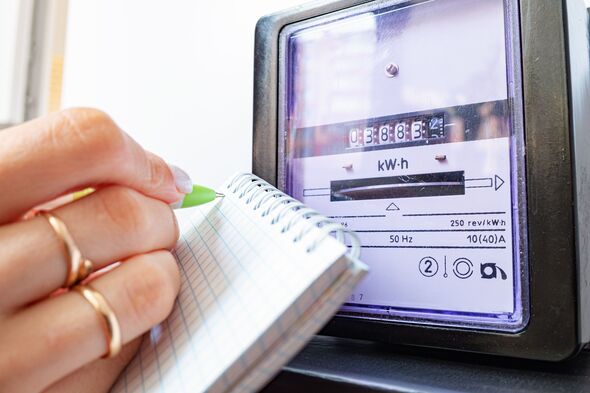
- Use smart meters to monitor and manage energy usage.
- Government Support
- Check eligibility for programs like the Warm Home Discount Scheme or Winter Fuel Payments.
- Apply for grants to improve energy efficiency, such as the Energy Company Obligation (ECO).
For Businesses
- Conduct Energy Audits
- Identify areas where energy consumption can be reduced.
- Implement measures like upgrading equipment or optimizing operational hours.
- Invest in Renewable Energy
- Install solar panels or wind turbines to generate on-site electricity.
- Explore Power Purchase Agreements (PPAs) for renewable energy supply.
- Seek Financial Support
- Leverage tax incentives for energy-efficient upgrades.
- Participate in government schemes like the Industrial Energy Transformation Fund.
The Future of Energy in the UK
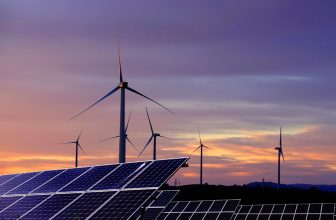
The UK government is committed to achieving net-zero emissions by 2050, which includes transitioning to renewable energy sources and reducing dependency on fossil fuels.
- Renewable Investments: Wind, solar, and nuclear power are set to play a larger role in the energy mix.
- Energy Storage: Improved battery technologies and smart grids will help balance supply and demand.
- Hydrogen Economy: Hydrogen is being explored as a cleaner alternative to natural gas for heating and electricity generation.
While these changes are promising, the transition will take time, and households and businesses may continue to face challenges in the short term.
Final Thoughts
The rise in electricity and natural gas prices in the UK reflects a broader global challenge of balancing energy demand, sustainability, and affordability. While the current situation is difficult, both individuals and businesses can take proactive steps to reduce their energy costs and adapt to a rapidly changing landscape.
By embracing energy efficiency, exploring renewable options, and utilizing government support schemes, it’s possible to mitigate the impact of rising prices while contributing to a more sustainable energy future.