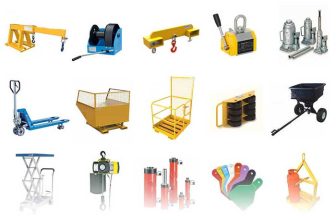

Mechanical Tools Precision Instruments for Engineering and Maintenance
In the realm of engineering and maintenance, precision is paramount. Mechanical tools, often overlooked in favor of their power tool counterparts, play a crucial role in ensuring that projects are completed accurately and efficiently. These precision instruments are designed to provide exact measurements, create fine finishes, and assemble components with the utmost care.
Why Precision Matters Precision tools are indispensable for a variety of reasons:
- Accuracy: They ensure that components fit together perfectly, preventing errors and reducing the need for rework.
- Quality: Precision instruments contribute to the overall quality of a finished product.
- Safety: Accurate measurements and proper tool usage can help prevent accidents.
- Efficiency: While they may require more time and skill than power tools, precision tools can often lead to faster and more efficient work in the long run.
Essential Precision Tools A comprehensive toolbox should include a variety of precision instruments, such as:
- Calipers: Used for measuring the inside, outside, and depth of objects.
- Micrometers: Provide highly accurate measurements of small distances.
- Height gauges: Measure the vertical distance between a surface and a reference point.
- Dial indicators: Measure small linear or angular displacements.
- Feeler gauges: Used to measure small gaps or clearances.
- Surface plates: Provide a precise reference surface for checking flatness and parallelism.
Applications of Precision Tools Precision tools are used in a wide range of industries, including:
- Manufacturing: For creating precise parts and assemblies.
- Automotive: For engine rebuilding, machine shop work, and quality control.
- Aerospace: For manufacturing aircraft components and performing maintenance.
- Machining: For creating custom parts and tooling.
Tips for Using Precision Tools
- Proper care: Precision tools require regular cleaning and lubrication to maintain accuracy.
- Calibration: Periodic calibration ensures that tools are providing accurate measurements.
- Correct technique: Using tools correctly is essential to prevent damage and ensure accurate results.
Conclusion While power tools may be more glamorous, precision tools are the backbone of many industries. By understanding the importance of precision and mastering the use of these tools, engineers and technicians can produce work of the highest quality. Investing in a good set of precision tools is an investment in your work and your reputation.
Mechanical Tools Precision Instruments for Engineering and Maintenance